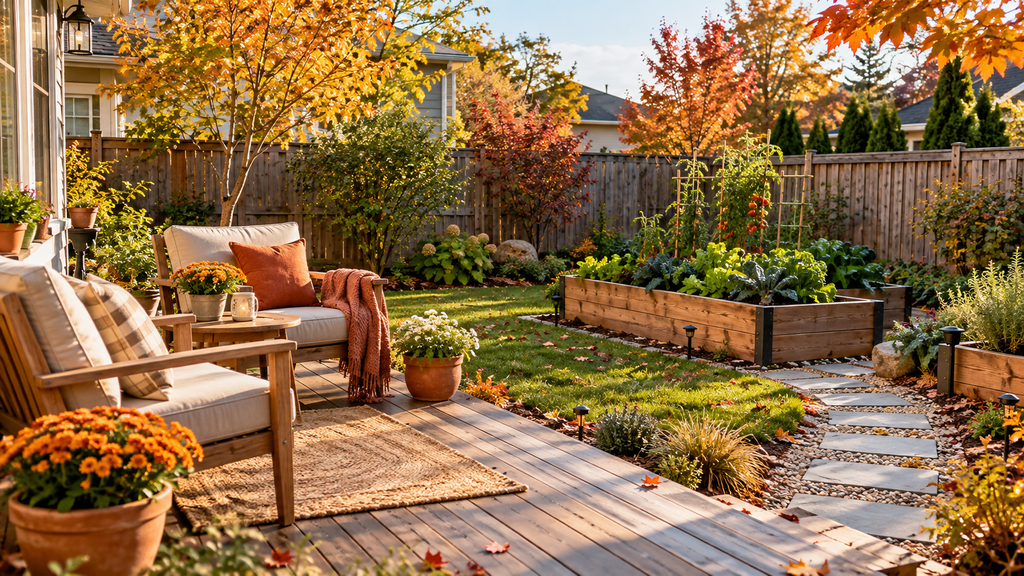
Fall is a good time to take another look at your backyard. The summer entertaining season may be winding down, but your outdoor space can still serve a purpose beyond holding patio furniture and seasonal decorations.
Perhaps you want to grow a few useful plants, make better use of an overlooked corner, organize your gardening supplies, or create a backyard that feels more prepared for the months ahead. You may even be wondering whether your yard could support more of your everyday needs.
The best fall backyard ideas start with how you want to use the space—not with how much you can buy to decorate it.
A small patio, an ordinary suburban yard, and a larger garden all have different possibilities. The key is to work with your available space, local climate, budget, and the time you can realistically spend maintaining it.
Here are seven practical ways to rethink your backyard this fall, along with a simple plan to help you decide which improvements are worth doing first.
1. Start With a Backyard Use Audit
Before buying plants, tools, furniture, or storage containers, walk around your backyard and look for areas that are not serving you well.
A corner may be filled with empty pots. Gardening tools may be scattered near the back door. A sunny patch of ground may be sitting unused, while the patio feels crowded with furniture you rarely use.
These are not necessarily landscaping problems. They may simply be signs that your backyard needs a clearer purpose.
Ask yourself five questions
- Which parts of the yard do I use regularly?
- Which areas have become cluttered or difficult to maintain?
- Where do I receive the most useful sunlight?
- What could I grow or do here without creating an unreasonable workload?
- Which improvements would make everyday life easier?
Write down your answers and choose one priority.
For example, if you enjoy cooking, a small herb-growing area may be more useful than a large decorative planter. If you spend time outdoors with your family, a clear seating area may matter more than adding additional garden beds.
If you already have an established garden, consider improving its organization before expanding it. Our guide to fall home decor trends offers seasonal styling inspiration for the spaces around your home.
The goal: Identify one practical improvement that would make your backyard more useful over the next few months.
2. Turn an Unused Corner Into a Small Growing Area
You do not need a large vegetable garden to make your backyard more productive.
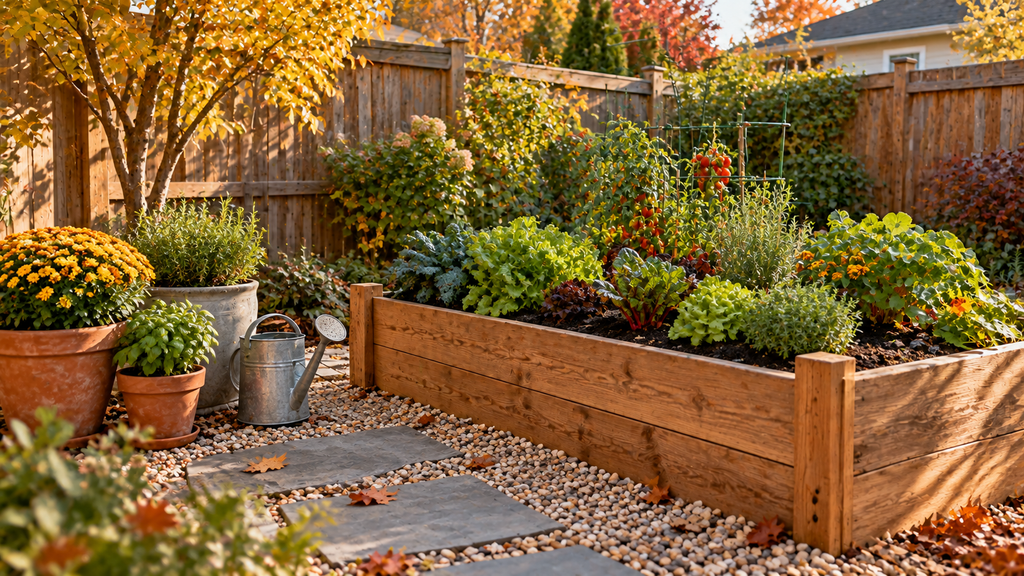
A sunny corner, a few suitable containers, or a compact raised bed may be enough to begin growing plants you can actually use.
Start by checking how much direct sunlight the area receives. Many edible plants need several hours of sunlight, while some herbs and leafy greens tolerate partial shade. Requirements vary by plant, so check the recommendations for the varieties you intend to grow.
Choose a growing method that fits your space
For a small patio: Use a few containers with appropriate drainage. Choose compact varieties and place them where watering and harvesting are convenient.
For a narrow backyard: Consider a small raised bed or a row of containers along an edge, provided they do not block walkways or interfere with drainage.
For a larger yard: You may have room for a dedicated vegetable bed, a perennial herb area, or a combination of edible and ornamental plants.
What can you grow in fall?
The right choices depend on your USDA hardiness zone, local temperatures, first expected frost, sunlight, and planting dates.
In some regions, fall is suitable for crops such as lettuce, spinach, radishes, and certain other cool-season vegetables. In warmer climates, the growing season may continue for much longer. In colder areas, the planting window may already be limited.
Check your local university extension service or regional planting calendar before buying seeds or seedlings. A plant that thrives in one part of the United States may struggle in another.
You can also start with a small herb container if the timing is appropriate for your climate. Even a modest growing area can be useful when it is easy to reach, water, and maintain.
Avoid planting more than you can reasonably care for. A few healthy plants are more useful than a large garden that becomes another source of work.
3. Make Watering and Garden Maintenance Easier
A backyard can look attractive in the beginning of the season and become difficult to maintain when watering, weeding, pruning, and cleanup start competing with other responsibilities.
One of the most practical fall backyard ideas is to reduce the amount of effort required to keep the space in good condition.
Group plants with similar needs
Place containers with similar sunlight and watering requirements together where possible. This can make it easier to check their condition and avoid accidentally giving one plant too much or too little water.
Use containers with suitable drainage and choose potting media appropriate for the plants. Keep an eye on soil moisture rather than following a rigid watering schedule regardless of the weather.
Keep essential tools in one place
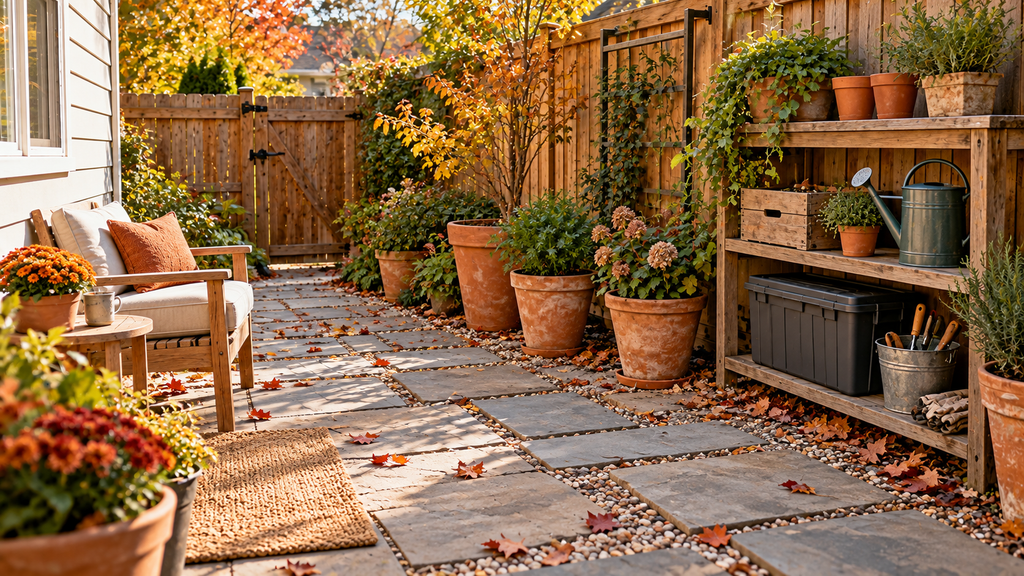
Create a small garden station for frequently used items such as gloves, hand tools, plant labels, and a watering can.
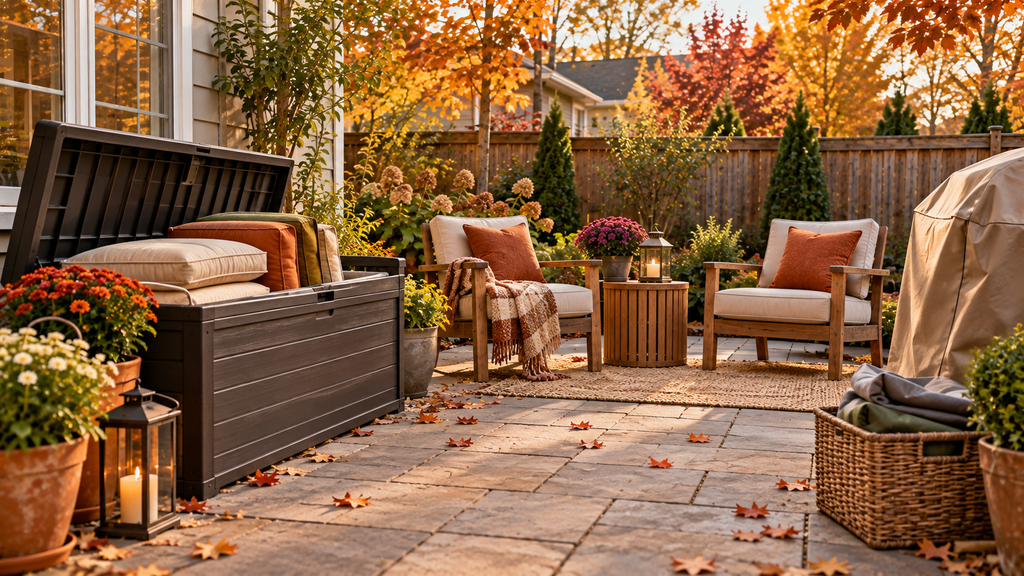
A suitable storage bench, weather-resistant container, or compact shelving unit may work, depending on the location. Store tools safely, and keep fertilizers, pesticides, and other garden chemicals secured according to their labels and away from children and pets.
If your supplies are scattered across the yard, bring them together before purchasing additional organizers. You may already have enough storage once everything has a designated location.
Make cleanup part of the routine
A short, regular check can prevent small jobs from becoming a major weekend project.
Remove weeds before they become difficult to manage, collect debris from walking routes, and inspect containers for drainage problems. Follow plant-specific advice before cutting back perennials or removing seed heads; some plants provide winter habitat and food for wildlife, and premature pruning can damage future growth.
The purpose of a maintenance routine is not to keep every corner perfectly tidy. It is to make the work predictable and manageable.
4. Create a Simple Composting or Yard-Waste Plan
Fall often brings fallen leaves, spent annuals, vegetable scraps, and other garden material that needs attention.
Instead of treating everything as waste, consider whether some of it can be managed more usefully.
Start by separating the materials
Leaves, suitable plant material, and certain food scraps can be composted when handled appropriately. Diseased plants, invasive weeds, and materials treated with certain chemicals may require different disposal methods.
A basic composting setup needs an appropriate location, a workable balance of carbon-rich and nitrogen-rich materials, sufficient moisture, and airflow. Composting is not simply a matter of putting every garden leftover in a pile.
If you have limited space, a properly managed compact compost bin may be an option. Check local guidance and any community rules before installing one.
For some households, municipal yard-waste collection is more practical than maintaining a compost system. There is no need to create a new project if it would be difficult to manage.
Use leaves thoughtfully
Healthy fallen leaves can sometimes be shredded and used as mulch around suitable garden beds, or added to a compost system. Keep leaves away from storm drains and avoid piling material against building foundations.
Do not smother lawns or plants with thick layers of whole leaves. The right approach depends on the material, location, and plants underneath.
If composting interests you, research the method that suits your yard and household before investing in equipment.
5. Make a Small Backyard More Functional
Limited outdoor space can be useful when every feature has a clear role.
The trick is not to squeeze as many things as possible into the yard. It is to arrange the space so you can move around, relax, and maintain it without constant rearranging.
Use the edges wisely
If the center of your backyard feels crowded, move suitable planters, narrow storage, or compact furniture toward the perimeter.
Keep doors, gates, drainage routes, and main walking paths clear. Do not place heavy containers where they could obstruct access or damage surfaces.
Choose multipurpose pieces
A storage bench may provide seating and hold appropriate outdoor accessories. A small table can serve as a place for drinks, a garden notebook, or a container plant.
Before buying anything, measure the available area and check the dimensions of the item. An attractive piece that makes the yard awkward to navigate is not a useful improvement.
Separate relaxing from working
You may not have room for separate formal zones, but you can still create a visual distinction between the seating area and the place where you keep gardening supplies.
Keep tools and soil together. Arrange chairs where they are easy to use. Store rarely used items somewhere less prominent.
For more ways to organize compact household spaces, explore our guide to small-space organization ideas. The same basic principle applies outdoors: give items a purpose and avoid letting storage spread into every available corner.
6. Explore a More Self-Reliant Backyard—One Step at a Time
For some homeowners, making a backyard more useful means going beyond seasonal decorating. They may want to grow more of their own food, understand basic food preservation, manage garden resources more carefully, or plan a more productive outdoor space.
These are worthwhile interests, but they are best approached as practical projects rather than promises of instant independence.
Start with the need you want to address
If your main interest is food growing, begin with a small garden suited to your climate and available time.
If you want to reduce waste, investigate appropriate composting or local yard-waste options.
If water use is a concern, learn about efficient irrigation, suitable drought-tolerant plants, and local water restrictions.
If you want to explore broader backyard self-sufficiency, it helps to have a structured starting point instead of collecting unrelated tips from different sources.
A dedicated backyard guide may be useful if it brings together ideas for planning a productive outdoor space and understanding the practical steps involved. Before choosing one, review its actual contents and make sure the topics match your needs, your local conditions, and the amount of work you are prepared to do.
Looking for a more structured starting point? Explore this backyard self-sufficiency resource here to see whether its guidance fits the kind of outdoor projects you want to pursue.
Affiliate disclosure: This article contains an affiliate link. If you make a purchase through it, Jessica Millers may earn a commission at no additional cost to you.
A guide is most useful when you treat it as a planning resource, not a substitute for local gardening advice, building requirements, or careful project decisions. Check what is included before purchasing and choose only what is relevant to your backyard.
7. Prepare Your Backyard for the Weather in Your Region
Fall does not look the same everywhere in the United States.
Some areas experience cool, wet weather, while others remain warm well into winter. In colder regions, frost and freezing temperatures may arrive soon. These differences affect what you should plant, store, cover, or leave alone.
Check outdoor furniture and accessories
Clean furniture according to the manufacturer’s instructions. Check cushions and fabric accessories for moisture or damage before storing them. Use suitable covers where recommended, and avoid trapping moisture against furniture.
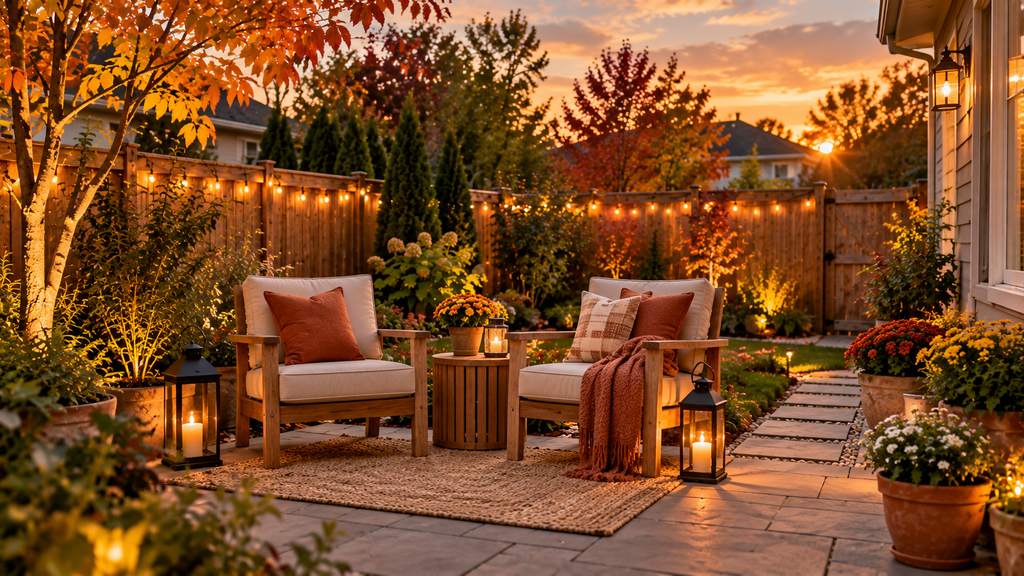
If you have outdoor lighting, inspect fixtures and cords for damage and make sure they are rated for their intended location.
Inspect drainage and walking surfaces
Look for areas where water collects, paths that have become uneven, or leaves that make steps slippery.
Keep drainage routes clear and address problems that could make the space difficult to use. More substantial drainage or structural issues may require professional advice.
Protect plants based on their needs
Use your local forecast and plant-specific guidance to decide which containers need moving, which plants need protection, and whether any seasonal planting is still appropriate.
Do not prune everything simply because it is October. Some perennials and shrubs benefit from being left undisturbed until spring, while other plants require different care.
A practical seasonal checklist should reflect your location rather than follow a single nationwide schedule.
A Simple Weekend Plan for Your Backyard
If you are unsure where to begin, use this two-day plan to make progress without turning the project into a major renovation.
Saturday: Assess and organize
- Walk around the yard and identify the two areas that need the most attention.
- Remove broken items and clear the main walking routes.
- Group gardening tools and supplies in one suitable location.
- Decide whether you want to prioritize seating, growing food, or easier maintenance.
- Measure any space before considering new storage or furniture.
Sunday: Complete one useful improvement
- Clean and rearrange the main seating area, or prepare a small growing space.
- Check plants and containers for their current needs.
- Review your local planting calendar and upcoming weather.
- Identify one maintenance task that will make the yard easier to manage.
- Make a short shopping list only for items that solve a specific problem.
You do not have to complete every idea in one weekend. A smaller improvement that you can maintain is usually more useful than a large project that becomes difficult to finish.
Frequently Asked Questions
What are the best fall backyard ideas for a small yard?
The most practical options include grouping containers, creating one comfortable seating area, organizing gardening tools, growing suitable plants in pots, and keeping walkways clear. Choose improvements based on sunlight, available space, local climate, and how you actually use the yard.
What vegetables can I plant in my backyard in fall?
Cool-season crops such as lettuce, spinach, and radishes may be suitable in some regions, but planting dates vary by climate and first-frost timing. Check your local planting calendar or university extension recommendations before choosing seeds or seedlings.
How can I make my backyard more self-sufficient?
Start with a manageable goal, such as growing herbs or vegetables, learning appropriate composting methods, or improving water efficiency. Expand only after you understand the time, space, materials, and maintenance the project requires.
Is fall a good time to start a vegetable garden?
It can be, depending on your location and the crops you want to grow. Some regions have a useful cool-season growing window, while others may be approaching frost. Local planting guidance is more reliable than a single nationwide recommendation.
How do I maintain a backyard without spending too much money?
Reuse suitable furniture and containers, organize existing tools, focus on one area at a time, and buy only what addresses a specific need. Growing a small number of suitable plants can also be more manageable than creating a large garden immediately.
Are backyard self-sufficiency guides worth buying?
They may be helpful if they offer organized, relevant guidance for the projects you want to undertake. Review the contents, check whether the recommendations suit your climate and experience, and consider whether the information justifies the price before purchasing.
Final Thoughts
Your backyard does not need a complete transformation to become more useful.
Start with the space you already have. Clear the clutter, identify an area that could serve a better purpose, make gardening and maintenance easier, and prepare for the weather in your region.
You might begin with a few herbs, a better-organized garden station, a compact composting setup, or a more comfortable seating area. Each small improvement can help you understand what works before you commit to a bigger project.
The best fall backyard ideas are the ones that fit your home, your climate, your budget, and your everyday life. Build on those basics, and let the yard become more useful one practical decision at a time.